Are you planning a metal building in Missouri, USA? The place is known for its diverse climate and unique building challenges. Missouri, with its 114 counties, is located in the heart of the Midwest. The state experiences a dynamic climate along with varying soil conditions. That's why it becomes essential to choose the right materials and construction methods for installing a steel building here.
Metal structures can meet the different building requirements in this area. However, understanding Missouri’s climate, local regulations, cost of construction, and many other factors is crucial before the installation.
Understanding the Climate of Missouri
Missouri’s climate plays a crucial role in metal building installation. The state experiences hot, humid summers and cold, snowy winters, with frequent temperature fluctuations due to its inland location. During the summer, temperatures can rise to 90°F or higher for 40 to 50 days in the west and north and 55 to 60 days in the southeast. These extreme temperatures can impact the durability and performance of your metal buildings.
In winter, snow and ice accumulation can add heavy loads to the structure. So, you should choose a building with a high snow load rating.
Majorly the state experiences:
-
Hot Summers
-
Cold Winters
Understanding Missouri’s climate helps you make informed decisions for long-lasting, durable metal buildings.
Order Certified Metal Buildings in Missouri
For areas where harsh weather conditions are prominent, it's important to install certified metal buildings that can safeguard your essentials. Certified metal structures are available with the assurance to confront hazardous weather and stand still in adverse situations. Certified steel structures are made to sustain even floods, seismic waves that are hard to neglect.
However, if your state doesn't witness frequent weather hazards, you can order standard metal buildings with regular roof style, horizontal steel panels, etc. You can speak to our metal building experts at (336)-914-1654 for more details on certified metal buildings.
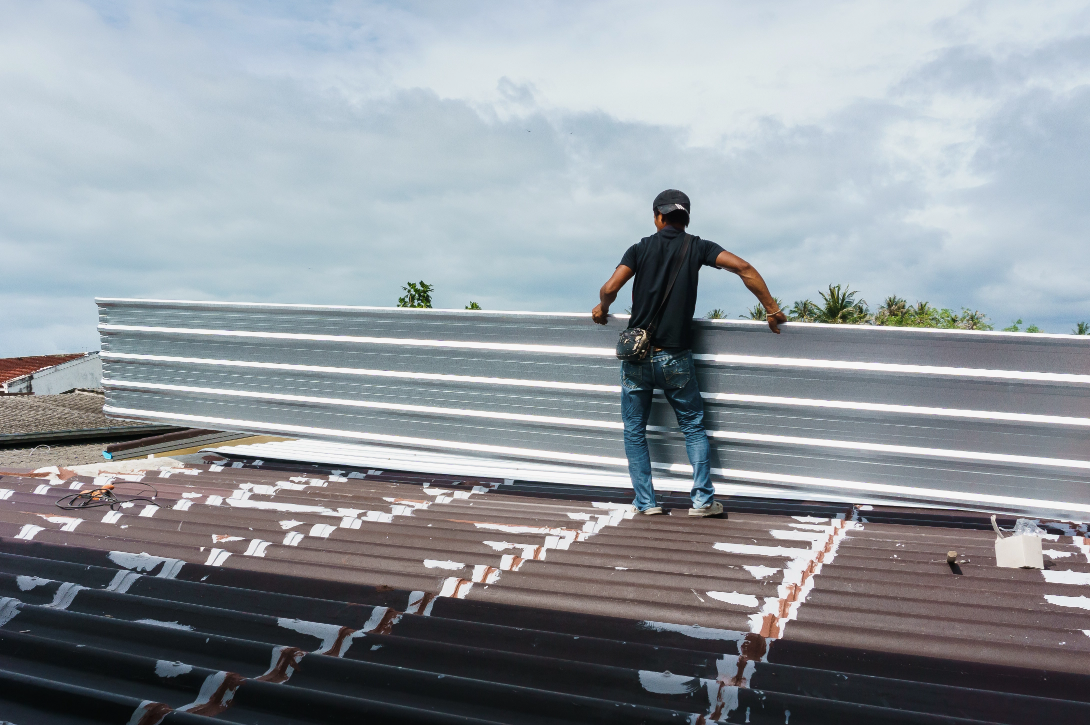
Are Steel Structures the Right Choice for Missouri's Climate?
Missourians know that the weather can be unpredictable in the state. So, it is better to consider the climate before installing a new building. Once you have installed a building without considering the climate, it can lead to quick building deterioration and reconstruction.
Thousands of people in Missouri invest in metal structures because it is the right choice for the region. Scroll down to know why.
Durability Against Temperature Extremes:
Prefabricated buildings like garages, sheds, barns, and other structures can handle hot summers and cold winters if insulated properly. Since Missouri often experiences frequent natural disasters, from ice storms, tornadoes, heavy rain, and significant flooding, durable steel structures matter a lot. They won’t warp or crack due to temperature fluctuation.
Rust and Corrosion Protection:
Missouri’s high humidity and frequent rain can lead to corrosion. So, if you have a galvanized steel building, it can easily resist rusting for long periods of time, which keeps the structure intact. Rust-resistant structures also protect things inside the building from corrosion. Well, Missouri is not really a Rust Belt state, so you will not have to worry about it much.
Strength to Withstand Snow and Wind:
Snowfall in Missouri can begin as early as October and extend until May. However, the heaviest snowfall typically occurs in December, January, and February. Prefab metal buildings stand tall these months to withstand the snow load. Moreover, they protect things you keep in the building from strong winds during winter months. Choose the best steel gauge from Carports Advisor for such a sturdy structure.
Requires Little Upkeep:
Steel buildings require minimal maintenance because they do not rot, wrap, and attract pests like wooden buildings. So, unlike traditional buildings, they do not require frequent repairs. Missouri’s humid climate can accelerate wear and tear in other structures, but metal buildings stay strong with minimal effort. With routine cleaning to remove debris, your steel structure can remain in excellent condition for decades.
Offer Better Energy Efficiency:
With new energy codes in MO, homeowners are expected to save around 26% on utility bills, which is about $677 annually. Prefab steel buildings offer better energy efficiency, so installing these structures can contribute to savings on utility bills. They lead to reduced energy consumption and lower costs. Since steel is highly recyclable, these structures also contribute to saving the planet. They are not only suitable for the environment but also contribute to saving it.
Ready to Order Your DREAM Metal Building?
Speak to our metal building experts and share your custom requirements.
(336)-914-1654
Metal Frames and Panels
Every manufacturer uses it as a standard term to describe the quality of the metal sheets. We have frames available in either 12-gauge or 14-gauge galvanized steel, and for the roofing panels, we use 29 Gauge or 26 GA premium steel. Steel gauge represents the thickness of the metal sheet; the lower the Gauge, the stronger the metal sheet. 12 gauge metal sheets have a thickness of 0.1084 inches, whereas a 14 gauge metal sheet is 0.0785 inches thick.
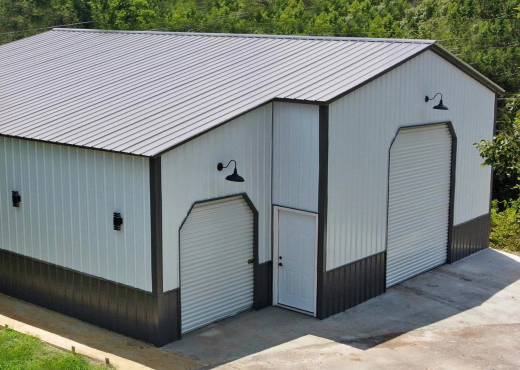
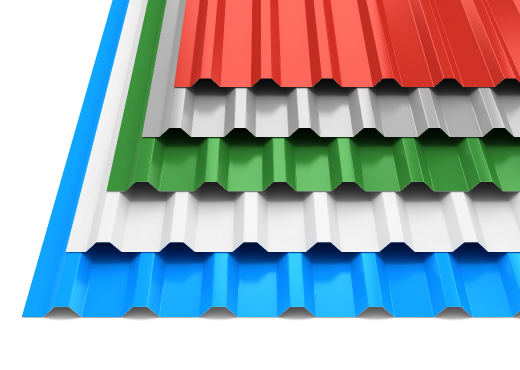
If you live in an area with rough weather conditions, we recommend the stronger and more robust 12-Gauge metal sheet option.
The 14-Gauge metal sheet is the industry standard for frame thickness and is accepted everywhere for building metal carports and garages. Both Gauges are safe to use in your building structures, including metal carports, steel barns, metal workshops, steel garages, custom metal buildings, RV Covers, and other utility carports. The 14 gauge tubular frame has 2 ½" x 2 ½" steel tubing, whereas the 12 gauge – 2 ¼" x 2 ¼" steel tubing which is Heavier and stronger than the 14 GA – 20-year limited warranty on rust-through of frame assuming routine user care/maintenance.
Know About Different Soil For Metal Building Installation
Since Missouri ranks high in the United States in terms of urbanization and industrial activity and also maintains vigorous and diversified agriculture, Missourians need different types of steel buildings. There are about 500 types of soils in Missouri. It's crucial to understand the major soil types in your area before building installation because it affects the foundation, strength, and stability of the barns or any other steel structures.
Menfro Soil:
It is the Missouri’s official state soil. This soil is deep, well-drained (Areas with adequate slope), and found in 40 counties along the Mississippi and Missouri rivers. It supports various agricultural activities. Its ability to drain excess water helps prevent waterlogging. The soil enhances crop yields and creates optimal conditions to grow crops like Corn, soybeans, small grains, and grapes.
Farmers in this area often need storage for equipment and harvested crops. Pre-engineered barns and garages can effectively serve these needs. However, farmers need proper site preparation with a stable foundation before installation here.
Overcup Silt Loam:
This type of soil is majorly found in the Qulin area and is suitable for rice farming in southeastern Missouri. The soil contains silt loam in the top 8 to 24 inches with silty clay loan beneath. Rice farmers need buildings that can withstand humidity and potential flooding. Metal buildings’ resistance to moisture and corrosion makes them ideal for the moist conditions of rice farms.
Calhoun Silt Loam:
Calhoun Silt Loam is found in the Qulin area. It is also suitable for rice production because of the silt loam in the upper layers and the silty clay loam below. It can hold water for long periods. If you live in this type of area and want to install buildings for your business and family, choose the best gauge steel components that can withstand the local soil’s unique conditions.
Aquolls:
These solids are prevalent in the Prairie regions of Missouri. They look like dark, fertile layers rich in organic matter. They are ideal for crop production due to their high nutrients. They support diverse crops like corn, wheat, and oats. Farmers install steel barns and customize them to store these crops and protect them for long periods of time. These structures help maintain optimal temperatures.
Udalfs:
This type of soil is found in Missouri’s upland areas. It is suitable for supporting forests and grasslands. Udalf soils are typically found on gently sloping terrain in Missouri state. They are ideal for pastures and grazing lands. People particularly live in the central and northern regions here. People in this region often use steel buildings for residential and commercial purposes. You can check out the commercial building prices for different sizes.
Choosing the Right Anchors for Metal Structures in Missouri
Missouri’s climate and soils require careful consideration when choosing anchors for metal buildings. Your building remains secure with the use of a sturdy anchor. It helps the pre-engineered structure withstand the state’s diverse weather conditions. There are four anchor types commonly used for building installation in Missouri.
Mobile Home Anchors:
These anchors are mainly used for mobile homes but can also be used to install smaller steel buildings. These anchors are easy to install and ideal for areas with moderate wind conditions. These anchors can work with compact and stable soils, such as those found in Menfro Soils. They offer secure hold for smaller structures. They are not a robust option for extreme weather conditions.
Concrete Brackets:
Concrete brackets are suitable for Calhoun Silt Loam soils and similar loam soils in southeastern Missouri. These soils, which are ideal for rice, can sometimes be soft and waterlogged. If you want to install a steel building here, you can use concrete brackets for a firm foundation. You can choose these anchors on our website when customizing a structure.
Earth Anchors:
Earth anchors are used in softer soils or areas with loose ground. They offer a secure grip and are a good choice for sites where Udalf soils are found in Missouri. These soils often become soft or less compact during heavy snowfall. Since earth anchors are driven deep into the soil, they can secure metal structures effectively.
Helical Anchors:
Helical Anchors are steel shafts with spiral blades. They are ideal for soft soils like Overcup Silt Loam and Calhoun Silt Loam. These anchors can be used for agricultural and residential steel structures in Missouri because they support large buildings. From 2022, Missouri's population grew by an average of 0.31% per year, driving the demand for more residential buildings in the state.
You can choose not only anchors at Carports Advisor but also many other options to personalize the structure. We have highlighted some options to tailor the building.
Customization options:
-
Building Dimensions
-
Frame and panel gauge
-
Colored Screws
-
Insulation material
-
Gable ends
-
Side walls
-
Roof styles
If you want to ask something about customization, contact our team at (336)-914-1654. Share your requirements and ensure the metal building meets your needs perfectly.
Missouri Steel Building Codes and Permits
Steel building codes and permits are crucial factors to consider before building installation. It ensures safety, durability, and compliance with zoning laws. Proper building standards are important, seeing Missouri’s weather conditions. Building codes in Missouri vary because the state doesn’t enforce uniform building codes. They are often based on the International Building Code (IBC).
Each city and county in Missouri sets its own rules. The Missouri Department of Public Safety oversees code adoption and enforcement (Missouri Building Codes)
If you want minor residential repairs and maintenance, permits are generally not required. However, for major structural changes or replacement of roofs, you may need approval from your local building authority. Small, prefabricated storage sheds, which are usually under 200-500 square feet, may be exempted from permit requirements.
At the beginning of November 2022, the City of Smithville began charging plan review fees for residential construction projects. Have a look at the fee schedule:
Note: Always confirm with your local building department in Missouri to verify the specific requirements and exceptions based on your county or city regulations.
Cost Breakdown of Installing Steel Structures in Missouri
Understanding cost helps you plan the building construction better in Missouri. Here is an overview of some costs for different building types.
Barns:
Metal barns’ prices start at $6795. However, this is the cost for the 32×20 building. If you need larger structures like 40×32, the cost would be around $12495. So, the larger the metal building, the higher the price.
Garages:
The single-car garage price starts from $1295 for the size 12×20 and regular roof style. For sizes like 18×35 and 20×35 for boxed eave structures, the costs would be around $2695 and $3095.
Carports:
Installing a carport is more affordable than other structures. Its prices start from $1295 for one car carport. Installing 2 car carport and 3 car carport can cost you around $1395 and $1695 for varied sizes.
Commercial Buildings:
Commercial metal buildings are generally larger in size and require more functionalities, so their prices are higher. The cost of a metal shop is around $2795 for the size 26×21. For steel warehouses, the price starts from $5695 for the size 32×20.
However, the costs depend not only on the building's dimensions. You have to consider many other factors to determine it.
Factors affecting the cost of installing a pre-engineered building in Missouri:
-
Insulation and weatherproofing are needed due to temperature extremes, humidity, and storms.
-
Costs vary between urban areas like St. Louis and rural regions due to labor and site preparation expenses.
-
Local regulations and zoning laws impact permit fees and compliance costs.
-
Often, steel’s market value fluctuates, and it also affects overall pricing, especially with Missouri’s central location.
-
If you want extra features like windows, ventilation, and insulation, it raises costs.
-
Construction wages differ in different Missouri’s cities and rural areas.
-
Foundation costs also vary based on Missouri’s diverse soil types, from Menfro to Udalf.
-
Moreover, delivery fees depend on distance and accessibility. Major hubs like Kansas City offer lower transport costs.
Top Uses of Metal Buildings in Missouri
How do Missourians use metal buildings like Barns, Sheds, Garages, Carports, RV Covers, and others? As you know, Missouri is known for its diverse climate and thriving agricultural industry, making metal buildings the go-to choice for many in the state. From farms to urban areas, these structures are reliable, durable, and cost-effective solutions.
Here is how different industries use prefab structures.
Agriculture and Forestry:
Agriculture is Missouri's top industry, with 66% of the state’s land used for farming. Farmers widely use prefabricated buildings in this state for barns and storage sheds. The Ozark Mountain region supports livestock and poultry farming, where steel barns are perfect due to the area's thin soil. Missouri is also a major center for beer brewing, with breweries using steel buildings for storage and processing.
Mining and Power:
Missouri is one of the top producers of lead and zinc in the U.S. Recently, new deposits were found in the Viburnum Trend in the southeastern part of the state. The mining industry often utilizes steel structures for processing plants, storage buildings, and equipment shelters. As the state’s energy needs are growing, power plants also depend on steel buildings for equipment storage. They protect against weather-related wear and tear.
Aerospace and Defense:
The aerospace industry in Missouri employs around 80,000 people, including over 4,000 engineering interns. With companies like Boeing and Northrop Gruman operating within the state, Missouri plays a key role in producing military aircraft, munitions, and defense systems. These companies commonly use commercial steel buildings for assembly, storage, and maintenance facilities.
Manufacturing:
Missouri includes industries ranging from automotive to electronics. It is the place for a well-established manufacturing sector. Steel buildings provide expansive and open floor plans. For example, clear-span buildings can work effectively for production facilities, warehouses, and assembly plants. These structures are durable and flexible for easy expansion and customization as manufacturing needs grow.
Transport and Logistics:
Missouri’s strategic location in the heart of the United States makes it a hub for transportation and logistics. The state’s well-developed transport infrastructure, like rail connections to coasts and 1000 miles of navigable waterways, allows goods to reach the market faster. Here, steel buildings are used as distribution centers, warehouses, and shipping facilities across the state. These structures offer ample storage space.
Most Popular Steel Buildings in Missouri
The oldest steel skyscraper in Missouri is the "Wainwright Building,". This engineering marvel is located in St. Louis and completed in 1891. This is one of the first true skyscrapers in the United States. It is the innovative use of steel framing. However, this is not the only popular steel building in Missouri. Here are some other popular metal buildings in the state standing tall against harsh weather events.
-
Gateway Arch
-
Missouri State Capitol
-
St. Louis Gateway Transportation Center
-
TWA Flight Center
-
Laclede Gas Building
-
One Metropolitan Square
Easy Payment Options for Your Dream Metal Building
With every metal building in MO , you get multiple payment options. If you are struggling with financial hacks, don't worry. You can now opt from rent-to-own and financing options that let you pay a small deposit to order your dream metal structure and pay the rest afterward.
Metal Garage Building Financing in Missouri
We offer a stress-free financing option to pay your building amount via monthly installments. You can get metal building financing for any metal building that suits your needs; without any hidden charges. Our metal building financing program facilitates:
- Flexible payment terms (24-72 months)
- Financing available up to $50K Building price
- Tie-ups with leading finance vendors
- Payoff anytime
- The quick and easy financing process
- No hidden charges
Rent-to-Own Garages in Missouri
Metal Building Rent-To-Own program from Carports Advisor gives you a seamless buying experience with a small deposit at the initial level and monthly installments afterward. Among all, no credit checks are done, and you can get your RTO amount on the same day. Our RTO Program includes:
- No credit check required
- Flexible payment options
- Affordable monthly payments
- Payoff anytime
- Instant approval
- Ownership in 36 months or less
Still, having doubts? Don't worry, speak to our metal building experts at (336)-914-1654 and get clearance for all your doubts.
Carports Advisor Estimated Delivery Times
Every buyer asks for the quickest metal building delivery that saves time and money in protecting their essentials. However, the exact delivery time isn't guaranteed. But wait! Carports Advisor gives you estimated delivery times that update you the maximum possibility to get your metal building. According to all the completed projects, here is some data about the order delivery in the specified time range.
- 50% Orders (10-60 Days)
- 30% Orders (61-80 Days)
- 19% Orders (81-100 Days)
- 01% Orders (101 or More)
If you buy from us, there is a 50% probability that you get your building in the specified time interval. Furthermore, 30% of orders take 20 more days to reach their destination, and 19% of orders consume 81-100 days. If your delivery time surpasses 100 days and you are still in a queue for delivery, Carports Advisor steel would take off 10% of the balance due.
Secure Durable Steel Buildings with Industry Leader
For a durable metal building solution in Missouri, you should choose the industry leader in the USA. Carports Advisor offers prefab metal buildings for various purposes. These solutions stand up to Missouri’s diverse climate. From Kansas City to Cape Girardeau, we have got you covered; you can buy any structure you need. You can use our 3D estimator tool to visualize how your building will look once it's completed. Reach out to our team at (336)-914-1654 at any time. We will help you install a sturdy structure on your property.
Delivering Across Missouri
Our expansive delivery network encompasses various cities across Missouri, making Carports Advisor your trusted partner in acquiring quality metal buildings.
With Carports Advisor, your journey to acquiring a metal building in Missouri is more than a transaction; it's a partnership dedicated to bringing your vision to life and enhancing your space with durable, versatile structures. Trust us for quality, reliability, and service excellence as we deliver your MO steel garages and buildings to various cities across the state.
 (336)-914-1654